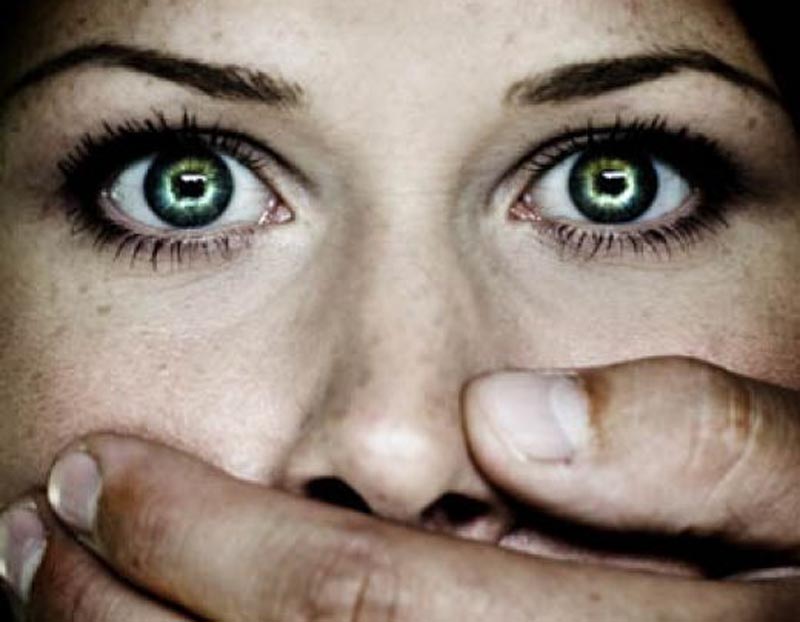
Most South Africans have been affected by crime whether through a direct incident, as a bystander or through a loved one.
The emotional toll from a traumatic event can cause intense, confusing, and frightening symptoms.
Agnieszka Gryn, Fidelity ADT’s regional executive, said, following an incident, it is critical that not only the victims of an incident get help through counselling, but those indirectly affected too.
“Often domestic staff are present to witness an incident, or possibly a neighbour or family member comes to help the victim.
“All these people can be affected by the trauma in different ways and need help to deal with it,” she said.
Fidelity ADT offers trauma counselling to its customers through Life Employee Health Solutions (Life EHS).
Dr Leanne Mandim, head: health and wellness solutions for Life EHS, said whether you were directly involved in the traumatic event or exposed to it after the fact, there are steps you can take to recover from the ordeal.
“Trauma can leave you struggling with upsetting emotions, flashbacks, and anxiety that won’t go away.
“It can also leave you feeling numb, disconnected, and unable to trust other people.
“Physical symptoms such as insomnia, nightmares, fatigue, difficulty concentrating, and even muscle pain are also normal and expected.
ALSO READ:
Women’s health and diabetes in the spotlight
Women’s Month – An opportune time to focus on safety and security
“What’s most important is getting the right assistance.
“There are also a few self-help strategies that you can use to support your recovery,” she said.
She highlighted a few ideas that could be included in your recovery plan:
- Get active – Exercise is a great way to help your body process trauma by burning off adrenaline and releasing endorphins. Try and do some form of exercise whether its walking, running, swimming, or even dancing. It’s also a great way to get out and enjoy some fresh air.
- Aim for healthy living – A healthy body can help you deal with stress better. Along with exercise, try and eat properly and get regular sleep. Trauma can often disrupt sleep so try and get into a routine of going to bed at the same time and getting up at the same time each day. Avoid alcohol and drugs and consider some relaxation techniques like yoga, meditation or deep breathing exercises.
- Don’t withdraw from the world – Isolation only makes things worse. Connecting to others will help you heal, so make an effort to maintain your relationships and avoid spending too much time alone. See friends, participate in social activities and consider joining a support group.
- Breathe through moments of stress – There are going to be moments when you feel agitated, anxious and out of control. Experiment with different techniques to calm yourself like taking deep breaths, focusing on something distracting, listening to music, stroking your pet, going into the garden and so on. You can self-regulate your nervous system and calm your body. Find what works for you.
Dr Mandim said everyone needs to understand that recovering from trauma takes time and everyone recovers at their own pace.
“Whether you have been involved in a traumatic incident or you are supporting someone who is traumatized, it’s important not to rush the process.
“Suppressed or unresolved trauma can have a long-lasting effect on your work life, family life, relationships and more,” she said.
Dr Mandim added that working through trauma can be scary and painful, so it’s important to get the help of an experienced professional.
“The person you choose needs to have experience in dealing with trauma and needs to connect with you in a comfortable way.
“Speak to your security provider about possible counselling services on offer. They will have specialist resources who understand trauma related to crime,” she said.
If you are supporting someone that has suffered a trauma, Dr Mandim said the best thing you can do is to be patient and understanding.
“Don’t pressure them into talking but be available if they want to talk.
“Offer to help them get back into a normal routine like taking them shopping or doing housework together, for example.
“Encourage them to exercise by offering to go for a walk with them or doing something they enjoy, like a hobby.
“If it is a loved one, don’t be surprised if they are angry, irritable, withdrawn, or emotionally distant.
“The changes may be a result of the trauma and may not have anything to do with you or your relationship,” Dr Mandim said.
Have a story?
Contact the newsroom by emailing: Melissa Hart (Editor) germistoncitynews@caxton.co.za or Leigh Hodgson (News Editor) leighh@caxton.co.za or Kgotsofalang Mashilo (journalist) kgotsofalangm@caxton.co.za
Remember to visit the Germiston City News on the following social media platforms:
Or add the GCN on WhatsApp 079 406 1181 or BBM (BBM Pin: 7F102137) today, to get all the latest news.
Catch-up on more local news with our sister newspapers Bedfordview Edenvale News, Alberton Record and Kempton Express.